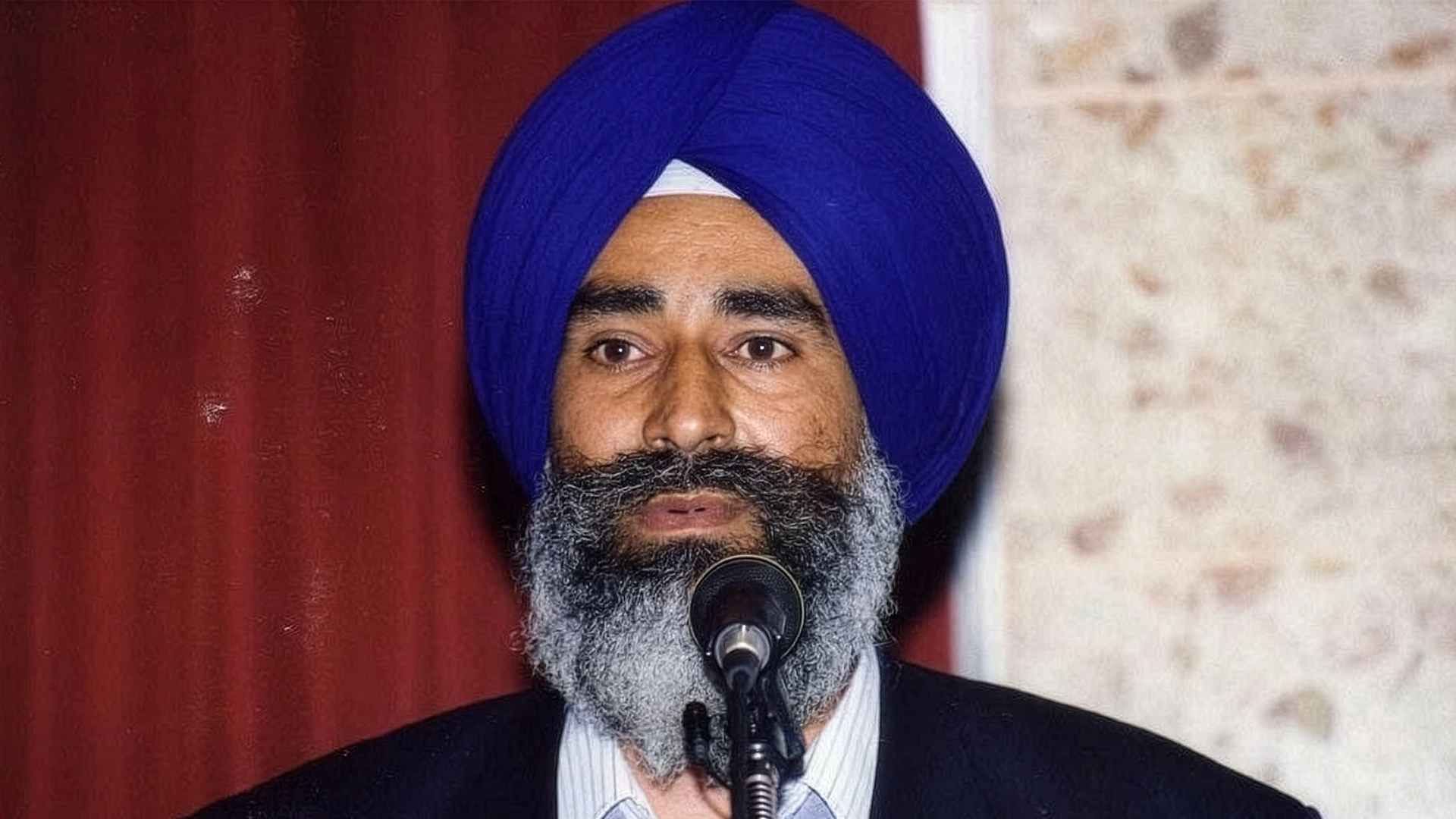
Jaswant Singh Khalra is remembered as one of India’s most courageous human rights activists. During the turbulent years of Punjab’s insurgency, he investigated allegations of enforced disappearances and illegal cremations, uncovering official records that challenged the government’s narrative of the conflict. His relentless pursuit of truth made him an internationally recognized human rights defender, but it also cost him his life.
Nearly three decades after his disappearance, Khalra’s work continues to shape conversations about justice, accountability, and human rights in India.
Table of Contents
Who Was Jaswant Singh Khalra?
Jaswant Singh Khalra was born on 2 November 1952 in Khalra village near Tarn Taran, Punjab. He studied political science and law before working in the banking sector.
Although he was not a journalist or police investigator, Khalra became deeply involved in documenting human rights violations during Punjab’s insurgency. His dedication to uncovering the truth eventually made him one of the country’s most well-known human rights activists.
Punjab During the Insurgency
The 1980s and early 1990s were among the most violent periods in Punjab’s history. Armed militancy, counter-insurgency operations, and political instability resulted in thousands of deaths.
Security agencies were tasked with eliminating militant groups, while human rights organizations raised concerns about alleged custodial killings, disappearances, torture, and illegal detentions.
It was within this environment that Khalra began his investigation.
How Jaswant Singh Khalra Discovered the Secret Cremation Records
While investigating missing persons cases, Khalra examined municipal cremation registers in Punjab.
He found official records showing that thousands of bodies had been cremated as “unidentified” or “unclaimed.”
By comparing these records with reports from families searching for missing relatives, Khalra argued that many of those cremated were identifiable individuals who had allegedly disappeared after being taken into police custody.
His findings were based largely on official government records rather than anonymous testimonies, giving his investigation considerable significance.
The Alleged Illegal Cremations in Punjab
One of Khalra’s most important discoveries involved records from Tarn Taran district.
According to his research, thousands of individuals had allegedly been cremated without informing their families or conducting proper legal procedures.
Later investigations by the Central Bureau of Investigation (CBI) found evidence of more than 2,000 illegal cremations in Tarn Taran alone.
Khalra believed similar practices had occurred elsewhere in Punjab, although estimates regarding the total number of victims remain disputed among researchers, activists, and government authorities.
Speaking Out Internationally
Khalra did not limit his work to Punjab.
He presented his findings before international human rights organizations and members of the Indian diaspora.
His speeches drew worldwide attention to allegations of enforced disappearances and custodial killings in Punjab.
Human rights organizations praised his documentation efforts and called for independent investigations.
The Disappearance of Jaswant Singh Khalra
On 6 September 1995, Jaswant Singh Khalra was reportedly abducted outside his home in Amritsar by Punjab Police personnel.
Witnesses claimed they saw police officers forcing him into a vehicle.
Authorities initially denied having detained him.
His disappearance triggered protests by lawyers, activists, journalists, and international human rights organizations.
Khalra was never seen alive again.
CBI Investigation and Court Verdict
Following years of legal proceedings, the Central Bureau of Investigation investigated Khalra’s disappearance.
The investigation concluded that he had been abducted, illegally detained, tortured, and murdered by Punjab Police personnel.
Although his body was never recovered, a special CBI court convicted several police officials in 2005.
Some senior officers received life imprisonment for their role in the crime.
The case became one of India’s most significant convictions involving the murder of a human rights activist without recovery of the victim’s body.
Why Jaswant Singh Khalra Is Important Today
Khalra’s work continues to influence discussions on:
- Human rights accountability
- Custodial violence
- Enforced disappearances
- Rule of law
- Police accountability
- Protection of human rights defenders
His investigation demonstrated how official government records can become critical evidence in exposing alleged human rights violations.
Legacy of Jaswant Singh Khalra
Today, Jaswant Singh Khalra is remembered through memorial lectures, human rights awards, documentaries, books, and public discussions.
His wife, Paramjit Kaur Khalra, has continued advocating for justice for victims’ families and has spoken internationally about enforced disappearances and accountability.
Khalra’s work remains an important reference for historians, legal scholars, journalists, and human rights organizations studying Punjab’s insurgency period.
Jaswant Singh Khalra and the Film Punjab ’95
Khalra’s life inspired the film Punjab ’95, starring actor Diljit Dosanjh.
The film is based on his investigation into alleged illegal cremations and enforced disappearances during Punjab’s insurgency.
Its release renewed public interest in Khalra’s work and sparked fresh discussions about one of the most sensitive chapters in modern Indian history.
Historical Significance
The Punjab insurgency remains a deeply debated period.
Many security officials argue that extraordinary measures were necessary to combat terrorism and restore peace.
Human rights organizations maintain that serious abuses occurred and that accountability remains essential regardless of the circumstances.
Jaswant Singh Khalra’s investigation continues to occupy a central place in this debate because it relied heavily on official documentation and led to judicial scrutiny.
Conclusion
Jaswant Singh Khalra transformed from a bank employee into one of India’s most respected human rights activists.
His investigation into Punjab’s alleged secret cremations exposed a hidden chapter of the state’s history and prompted national and international attention.
Although he paid the ultimate price for his work, his efforts led to landmark legal proceedings and continue to inspire those who seek truth, justice, and accountability.
His legacy serves as a reminder that documenting facts and defending human rights remain essential pillars of any democratic society.
Frequently Asked Questions (FAQs)
Who was Jaswant Singh Khalra?
Jaswant Singh Khalra was an Indian human rights activist from Punjab who investigated alleged enforced disappearances and illegal cremations during the Punjab insurgency.
Why is Jaswant Singh Khalra famous?
He became internationally known for uncovering official cremation records that suggested thousands of unidentified bodies had been cremated without proper legal procedures.
What happened to Jaswant Singh Khalra?
He disappeared on 6 September 1995 after allegedly being abducted by Punjab Police personnel. A later CBI investigation concluded that he was murdered while in illegal custody.
Was anyone convicted in the Jaswant Singh Khalra case?
Yes. Following a CBI investigation, several police officials were convicted in 2005 for their roles in Khalra’s abduction and murder.
What is Punjab ’95 about?
Punjab ’95 is a biographical film inspired by Jaswant Singh Khalra’s investigation into alleged illegal cremations and enforced disappearances in Punjab.
Why is Jaswant Singh Khalra remembered today?
He is remembered for his courage in documenting human rights violations and for bringing international attention to allegations of enforced disappearances during Punjab’s insurgency.
Documenting Punjab’s Missing Persons
Researchers, journalists, and families seeking information about Punjab’s years of insurgency can also refer to the Ensaaf Documentation Project, which maintains one of the most comprehensive publicly accessible databases of alleged enforced disappearances, unlawful killings, and related human rights violations from the conflict period. The database compiles information from court records, government documents, witness testimonies, media reports, and human rights investigations, making it a valuable research resource for understanding the scale and patterns of reported abuses. Readers interested in exploring the available records can visit Ensaaf Data Project.